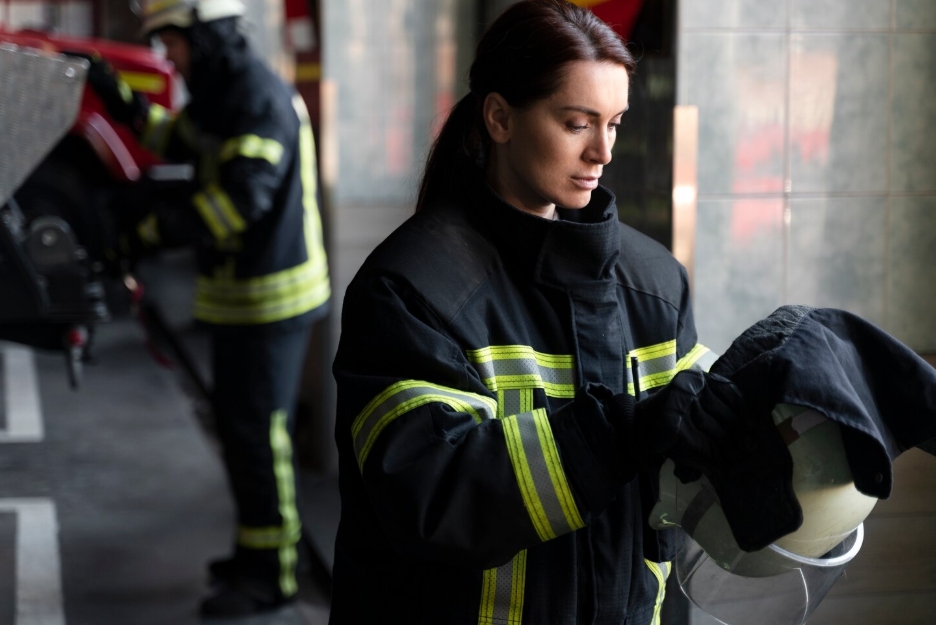
Fire alarms, firefighting equipment, sprinklers, and other systems play an important role in detecting fire threats in a commercial building.
If one of these systems stops working because of repairs, upkeep, damage, or something breaking without warning, normal safety may stop for a bit. A clear plan to follow can help everyone understand what to do during this short time.
When something goes wrong in a system, fast fire watch company steps in to help. The services offer trained people who watch over the place until the problem gets fixed. A fire watch has set patrols, checks for things that could cause trouble, keeps records, and follows steps to make sure everyone stays aware until things get back to normal.
Table of Contents
1. Identify the Outage Immediately
The first thing to do is find out what is not working. A broken alarm usually brings up other worries than a sprinkler that is not working. Also, when work or repairs are happening or when things get hot, there can be more fire risks.
The people in charge need to find the equipment that is affected. They must check which areas are involved and note how long the repairs will take. They also need to say if the building is still in use. This information lets them pick the best short-term safety steps.
2. Establish a Clear Patrol Routine
Fire watch does not mean just having someone in the building. A good way to handle it is to have a set patrol path. The person should watch everything often and not miss anything.
The people on patrol can watch hallways, areas with equipment, doors, storage rooms, and other places where a fire could start. When they walk around often, it helps find smoke, heat, things that can start fires, blocked doors, or other things that do not seem right.
3. Keep Communication Simple and Fast
Emergency plans work well when all the people know who to call if things change. The fire watch procedure should clearly outline how guards will communicate with building management, building maintenance workers, emergency personnel, and other officials.
In case smoke or fire is detected, the first step should be notification. The facility has special steps for emergencies that must be started soon after. People who do fire watch help during these times, but they do not take the place of firefighters or emergency help.
4. Treat Documentation as Part of Safety
Written records are not just for paperwork. Patrol logs help us see when rounds get done. They also show what is going on and if there are any problems. People can report their concerns, too.
Clear paperwork gives managers a good record to use when repairs are going on. Regular logs help people be responsible. They also make it easy to spot things that keep causing problems or things that are missing.
5. Restore Permanent Protection Promptly
Fire watch is not a full fix. It is just there for a short time. You should not use it in place of a working fire system. Repairs, testing, and getting the system back on should stay the most important thing while the system is off.
Once the system that got affected is fixed and the person in charge says it is safe to go back to normal, the short-term fire watch steps can end if the place allows it.
Conclusion
System outages can cause uncertainty. A set plan helps handle fire watch gaps better. Clear patrol routes, fast communication, careful note-taking, and timely system fixes help make an emergency feel more organized. If a place needs someone to keep watch when the fire system is down, fast fire watch company services can keep an eye on things and keep records until regular fire protection comes back.