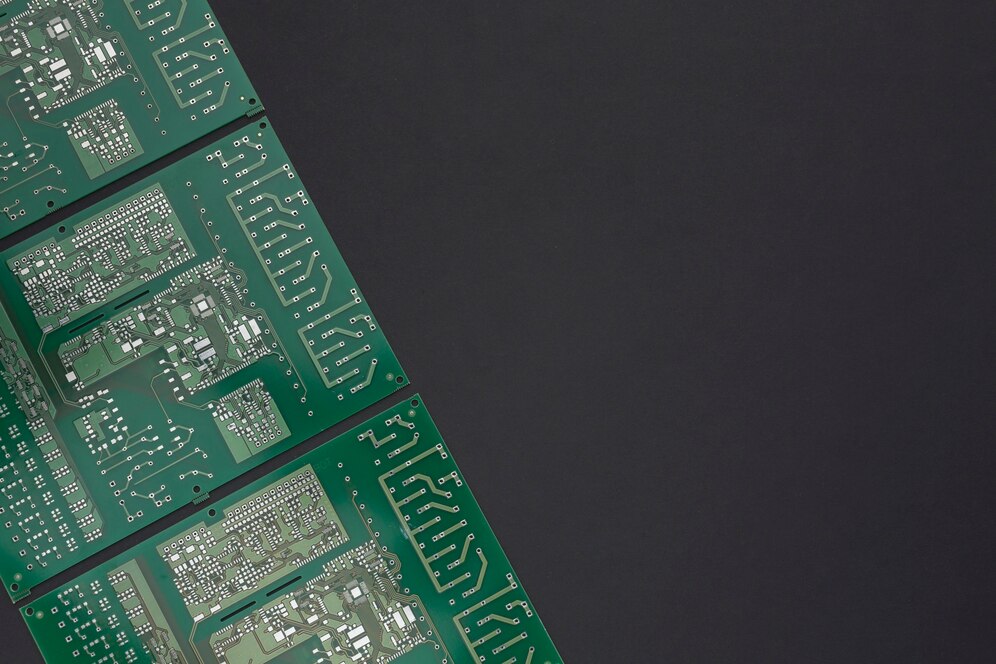
The extraordinary potential of flexible and rigid-flex printed circuit boards (PCBs) is poised to bring about a revolutionary change in the field of electronic design. These cutting-edge technologies are pushing the limits of conventional electronic design and providing previously unheard-of flexibility in the creation of small, light, and highly configurable electronic systems. Flexible and rigid-flex printed circuit boards (PCBs) are becoming essential for next-generation technological advancements as consumer electronics, medical gadgets, aerospace technologies, and wearable innovations continue to push the boundaries of performance and miniaturization. This article examines eight key ideas that highlight the significant influence of these revolutionary technologies and show how they are radically altering our perception of electronic production and custom PCB board design.
-
Table of Contents
The Evolution of Flexible Circuit Technologies
The development of flexible circuit technology tells an amazing story of material science breakthrough and engineering inventiveness. Original flexible PCB models evolved into sophisticated electronic designs that defy standard industry thinking about electronic design. The initial developers produced these technologies to solve packaging issues for military and aerospace equipment and now they serve an extensive range of sectors. These days modern flexible circuits use intricate polymer substrates and precise manufacturing methods alongside complex multi-layer structures to permit electronic circuits to fold into difficult three-dimensional applications. Modern electronic design strongly depends on flexible PCBs which started as specialized solutions before advancing to become critical design components.
-
Material Innovations in Flexible PCB Design
Material science guides flexible PCB technology developments to reach new electronic design capacities that exceed all expectations. Electronic devices need advanced polymer substrates as they provide both mechanical flexibility and thermal stability with excellent electrical performance. Polyimide and specialty liquid crystal polymers serve as examples of these substrates. These advanced materials need to achieve a balance between three essential characteristics which include structural strength under bending cycles and reliable electrical insulation properties and resistance to harsh weather elements. These days, engineers deal with multilayered material compositions that incorporate protective overlays, conductive circuitry, and flexible dielectric layers. As a result, a new generation of PCBs has the potential to completely change how we think about designing electronic systems by providing features that were previously unattainable with rigid circuit board technologies.
-
Architectural Complexity of Rigid-Flex Designs
Traditional rigid circuit board technologies and flexible connectivity techniques have been expertly married to create stiff-flex pcb engineering. These cutting-edge designs create hybrid architectures with previously unheard-of design flexibility by fusing hard circuit board areas with flexible connection zones. Rigid-flex technologies, as opposed to conventional PCBs, overcome planar design limitations and enable the construction of electronic systems in three-dimensional forms. The intricate manufacturing process entails the tiny integration of stiff and flexible components as well as the accurate lamination of several material layers. The complex problems of mechanical stress distribution, thermal expansion, and signal integrity over radically differing material zones must be handled by engineers. The development of electronic systems that can fold, conform, and adjust to intricate mechanical contexts is made possible by this method.
-
Performance Optimization Strategies
Performance optimization in flexible and rigid-flex PCBs necessitates a comprehensive strategy that transcends conventional design techniques. Signal integrity, impedance management, and electromagnetic compatibility must all be carefully managed by engineers across a variety of material zones with radically varied electrical properties. Before actual prototyping, designers may anticipate and address possible performance constraints thanks to the exact modeling of electrical and mechanical characteristics made possible by advanced simulation technology. In order to optimize these intricate circuit topologies, sophisticated methods like intelligent layer stackup design, specific shielding tactics, and controlled impedance routing have become essential tools. Beyond merely transmitting signals, the objective is to develop strong, dependable electronic systems that can function reliably in the face of demanding environmental and mechanical circumstances.
-
Manufacturing Challenges and Precision Technologies
A high level of precision engineering is required to manufacture flexible and rigid-flex PCBs, which calls for exceptional technical skills. When faced with the intricate specifications of these cutting-edge circuit technology, conventional PCB manufacturing techniques are inadequate. These days, specialized production methods include sophisticated quality control systems, multi-layer lamination techniques, and tiny precision laser cutting. The complicated issues of material bonding, preserving electrical connection via flexible zones, and guaranteeing consistent performance across sophisticated three-dimensional structures are all hurdles that manufacturers must handle. In order to create PCBs that can satisfy the high performance requirements of contemporary electronic systems, automated optical inspection systems, precise alignment technologies, and real-time monitoring have become crucial.
-
Application Frontiers and Industry Transformations
Flexible and rigid-flex PCB technologies generate innovative developments across various sectors because they bypass established circuit design boundaries. The current industry demands have pushed aerospace engineers to produce light-weight electronic systems with compact design while medical device developers created implantable technologies that achieve unprecedented flexibility. Modern wearable electronics emerged because of advances in circuit development that match human anatomy. Automotive designers implement these technologies to create durable electronic systems which withstand adverse weather as well as mechanical stress. Consumer electronics manufacturers successfully explored new possibilities for developing complex thin and attractive interior structured electronics.
-
Thermal Management and Reliability Considerations
In flexible and rigid-flex PCB design, thermal management becomes a crucial issue that calls for advanced techniques to guarantee steady performance and long-term dependability. These sophisticated circuit boards’ distinct material compositions and intricate geometries necessitate creative methods for managing thermal stress and dissipating heat. By using specialized techniques like integrated thermal vias, sophisticated heat-spreading materials, and intelligent component placement strategies, engineers must take into account the differential thermal expansion properties of distinct material layers. Beyond only removing heat, the objective is to provide a comprehensive thermal environment that guarantees reliable performance across a range of mechanical configurations and operating situations.
-
Emerging Design Methodologies and Future Perspectives
Even more innovative methods to electronic design are anticipated in the future of flexible and rigid-flex PCB technologies. In order to develop more flexible and robust electronic structures, emerging approaches are investigating biomimetic design principles and taking inspiration from natural systems. Engineers can now model and tune intricate multi-material circuit architectures with previously unheard-of precision thanks to sophisticated computational design tools. Novel material technologies, including self-healing polymers, adaptive circuit topologies, and intelligent responsive materials, are being researched by researchers in an effort to push the limits of flexible electronics. The lines separating electronic systems from their physical surroundings are becoming increasingly hazy, creating previously unheard-of opportunities for technological advancement.
Conclusion
More than just a little step forward in electronic design, flexible and rigid-flex vlsi physical design reflect a fundamental rethinking of how we think about, build, and use electronic systems. As these technologies develop further, they have the potential to push the boundaries of innovation in a variety of sectors and upend our conventional wisdom on the constraints of electrical design.
