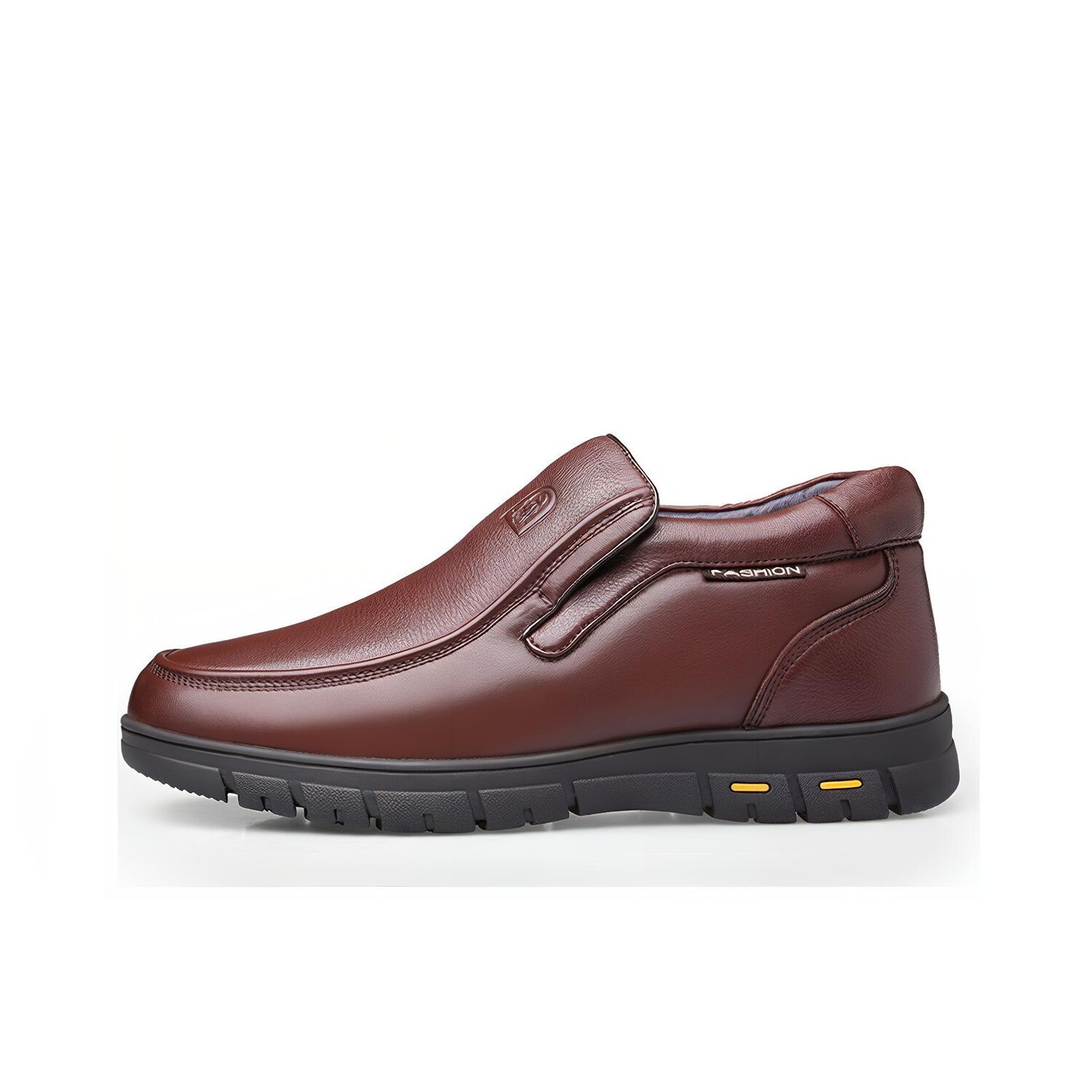
Footwear factories work very hard every day. Many shoes move through many hands. Each step must go right. When one step goes wrong, rework starts. Rework means fixing mistakes. Fixing takes time, money, and energy.
Rework is a big problem in shoe making. It slows the line. It increases waste. It makes workers tired. One small reason for rework is thread. Thread looks small, but it causes many issues when chosen wrong.
Threads used in almost every shoe part. If thread breaks, stitches fail. Failed stitches must be repaired. Repair means opening seams and sewing again.
One common rework issue is thread breakage. When thread breaks on machine, work stops. The shoe part is removed. The stitch must be redone. This wastes time and material.
Thread breakage happens for many reasons. Weak thread is one reason. Uneven thread thickness is another. Poor finish also causes problems. Better thread selection reduces these breaks.
Another cause of rework is skipped stitches. Skipped stitches happen when thread does not form proper loops. This creates gaps in seams. Gaps look bad and reduce strength. Shoes with skipped stitches are rejected.
Good sewing machine thread, like nylon sewing thread, runs smooth through machines. Smooth running reduces skipped stitches. When thread feeds well, stitch formation stays clean. This lowers rejection rates.
Lint is also a hidden issue. Some threads release tiny fibers. These fibers collect in machines. Machines then jam or mis stitch. Cleaning machines takes time. Rework increases because of lint.
Low lint threads keep machines cleaner. Clean machines work better. Better working machines reduce defects. Fewer defects mean less rework.
Color mismatch causes rework too. Sometimes thread shade changes during stitching. The seam looks uneven. This is noticed during inspection. Shoes must be repaired or rejected.
Consistent color thread avoids this problem. When thread shade stays same, visual quality stays high. Inspection passes more shoes. Rework goes down.
Thread tension problems also lead to rework. If thread stretches too much, seams look loose. If thread is too stiff, seams pucker. Both cases are considered defects.
Choosing thread with stable stretch helps a lot. Stable thread keeps tension even. Even tension makes seams look neat. Neat seams reduce inspection failure.
Material mismatch is another reason for rework. Soft fabrics need softer thread. Hard leather needs stronger thread. Using one thread for all materials causes issues.
Better thread selection means matching thread to material. When thread and material work well together, stitching becomes easier. Easy stitching reduces mistakes.
Heat from machines can damage some threads. At high speed, thread heats up. Some threads weaken or melt slightly. This causes sudden breakage.
Heat resistant threads handle speed better. They stay strong during long runs. Long runs without breaks improve output. Less break means less fixing work.
Moisture in factory also affects thread. Humid air changes thread behavior. Some threads absorb moisture and swell. This affects stitch quality.
Threads that handle moisture well stay stable. Stable thread makes stable stitches. Stable stitches pass quality checks more often.
Rework also increases when thread frays. Frayed thread looks fuzzy. Fuzzy seams look messy. These shoes often fail final check.
Bonded or finished threads resist fraying. They keep seam edges clean. Clean seams look professional. Professional look reduces rejection.
Worker fatigue also links to thread quality. When thread breaks often, workers stop and restart. This is tiring. Tired workers make more mistakes.
Reliable thread reduces stops. Fewer stops mean smoother work. Smooth work reduces human error. This indirectly reduces rework.
Training new workers is easier with good thread. Stable thread is forgiving. It helps beginners learn faster. Faster learning means fewer early mistakes.
Inventory waste also drops. When rework reduces, fewer extra materials are used. This saves cost. Cost saving improves factory profit.
Quality control teams benefit too. When fewer defects appear, inspection moves faster. Faster inspection clears more shoes daily.
Production planning becomes easier. Less rework means more predictable output. Predictable output helps meet delivery dates.
Customers also feel the result. Shoes with clean seams last longer. Long lasting shoes reduce complaints. Fewer complaints protect brand image.
Thread testing helps choose right option. Testing under real machine speed shows true behavior. Choosing tested thread avoids surprises later.
Thread may look like a small supply item. But its impact is large. Wrong thread creates many small problems. Small problems add up to big rework.
Better thread selection is a smart step. It does not need big investment. But it gives big return.
Reducing rework is not only about machines or people. It is also about materials. Thread is one such material that makes big difference.
When factories choose better thread, work flows better. Shoes come out cleaner. Rework drops naturally.
In the end, good thread saves time, saves cost, and saves effort. It helps footwear manufacturing stay smooth, steady, and efficient every day.