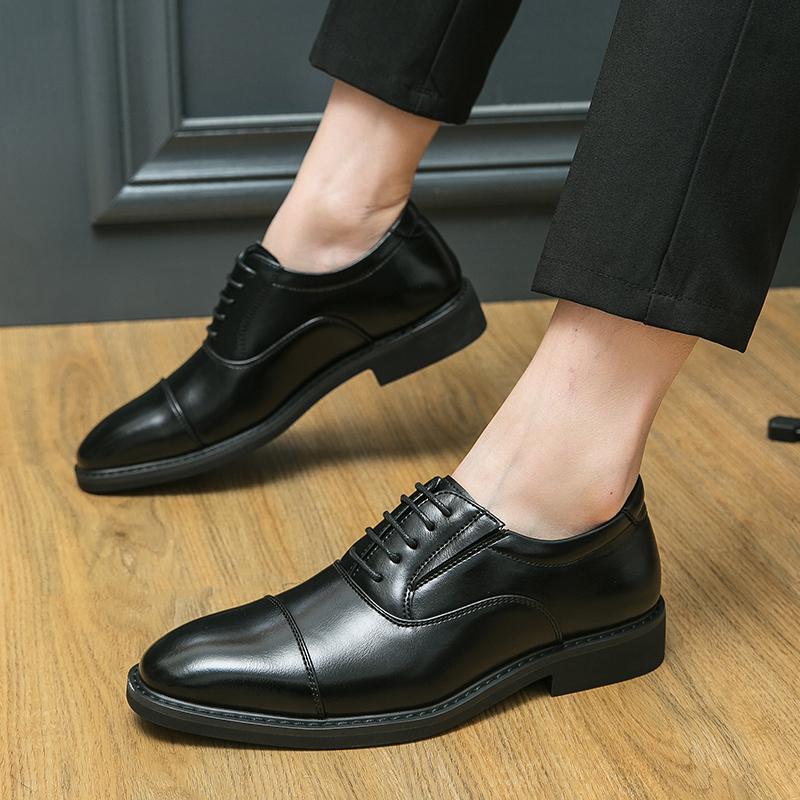
Shoes today are changing fast. They are not just for walking. They are for work, sport, travel, and style. Because of this, shoe-making is also changing. Stitching is one area seeing big change.
Earlier, stitching was mostly seen on the upper. It joined leather or fabric parts together. Now stitching goes beyond the upper. Its impact is far-reaching, like in, support, comfort, and performance. This is the next generation of footwear stitching.
Modern shoes use many materials. Mesh, foam, knit, film, and synthetic layers are common. These materials behave different. Stitching must adapt to all of them. One old method does not work everywhere.
Innovation starts with understanding movement. Feet move in complex ways. Shoes must follow this motion. Stitching now supports movement instead of blocking it. This makes shoes feel more natural.
Some new stitching designs reduce pressure points. Traditional seams sometimes press into the foot. New stitch layouts spread stress across wider areas. This helps reduce pain during long wear.
Stitching is now used in midfoot areas. It helps lock the foot in place. This is useful in sports and hybrid shoes. Good stitch placement improves stability without adding weight.
Heel areas also see new stitching ideas. Instead of thick padding, smart stitching holds shape. This saves material and keeps heel support strong.
Outsole stitching is another growing area. Some shoes now stitch uppers directly to soles. This improves durability. It also reduces need for heavy glue.
Less glue means more flexibility. It also helps with sustainability. Stitching becomes a clean and strong joining method.
Threads used today are also changing. They are not only lighter and smoother but also stronger, like the bonded nylon thread. Some threads stretch and recover better. This supports flexible shoe designs.
New stitching machines allow more control. They can change stitch length and tension quickly. This helps create complex patterns with polyester embroidery thread. Complex patterns support both design and function.
Digital design tools help plan stitching paths. Designers can see stress points before making the shoe. Stitching is placed where support is needed most.
This reduces over stitching. Over stitching adds weight and stiffness. Smart stitching uses less thread but gives more benefit.
Comfort is a big focus. Stitching inside the shoe must feel smooth. New techniques hide seams or flatten them. This reduces rubbing on skin.
Knit footwear uses stitching in new ways. Instead of cutting and sewing many parts, stitching shapes the knit. This creates seamless zones with support.
Customization is also growing. Stitching can change based on shoe size or use. Running shoes may get more support stitching. Casual shoes may get softer layouts.
Automation plays a role too. Robots stitch with high accuracy. This reduces errors. It also allows repeat quality at large scale.
Speed and precision together open new options. Stitching patterns that were hard before are now possible. This expands creative freedom.
Innovation also affects the process of repair and recycling. Shoes with stitched construction are easier to repair. This increases shoe life. Longer life means less waste.
Stitching beyond the upper also improves safety. In work shoes, stitched reinforcements protect key zones. This reduces risk of failure.
Lightweight shoes benefit a lot. Instead of adding layers, stitching adds strength. This keeps shoes light and responsive.
Design and engineering now work closer. Stitching is no longer final step. It is planned early in design. This changes how shoes are built.
Even looks are affected. Stitch lines add visual story. They show movement and energy. Stitching becomes part of style, not just function.
Consumers may not notice all this detail. But they feel it. Shoes feel better, last longer, and move better. That feeling comes from smart stitching.
The next generation of footwear stitching is quiet but powerful. It works under the surface. It supports comfort, strength, and innovation together.
Stitching has moved beyond just closing the upper. It now shapes how shoes perform in real life. This change is shaping the future of footwear.
As materials and needs grow, stitching will keep evolving. New ideas will come from small threads and smart paths.
In the end, innovation in footwear does not always look big. Sometimes it is a simple stitch, placed in the right way, doing much more than before.