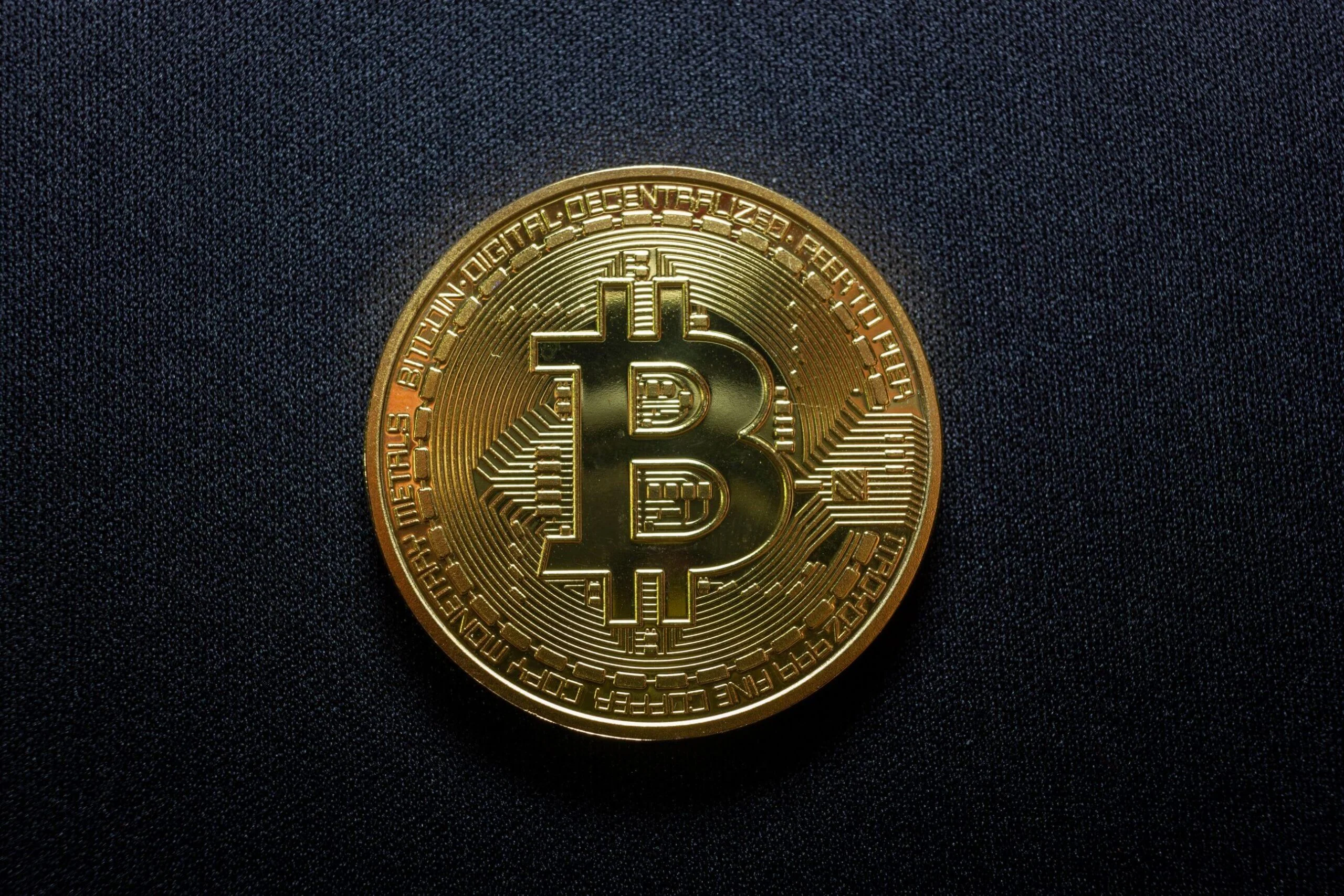
The way Bitcoin moves often feels like a mystery to people who are just starting to look at the market. One day the price is up, and the next day it might drop without a clear reason, leaving many people uneasy. It is helpful to step back and examine what actually drives these shifts, because they usually follow a basic logic, even if the daily charts look messy. Most of the time, it comes down to how many people want to buy and how many want to sell at a specific moment. When more people decide they want to own a piece of it, the cost goes up, and when people decide to take their money out, the cost goes down. This is a simple idea, but the reasons why people change their minds are what make the whole thing interesting to watch.
Table of Contents
Why Does The Market React To News And Global Events
Global news plays a big part in how people feel about their assets. You might notice that when a major country announces new rules for digital assets, the market moves almost immediately. People sometimes overreact to news because they are afraid of losing what they have or of missing out on a gain. This behaviour occurs in every market, but it seems more visible here. It is also worth thinking about how big world events like changes in interest rates or inflation affect things, because when the traditional economy feels shaky, some people look for other places to put their money. This comes up more often than expected because Bitcoin is often seen as separate from traditional banks.
The total amount of Bitcoin that can ever exist is limited to twenty-one million. This limit is built into the code, creating a different kind of pressure than paper money, which can be printed at any time. Every four years, something happens: the number of new coins created is cut in half. When less of something is being produced, but interest stays the same or grows, it usually puts upward pressure on the BTC price over the long term. You can see this pattern by looking at the market’s history over several years, rather than just what happened this morning.
How Trading Volume And Supply Work Together
The actual activity on an exchange like Suncrypto reflects the level of interest at any given time. If you see a lot of trading, it means the market is active, and people are making moves based on their beliefs about the future. Sometimes the BTC price stays flat for weeks because buyers and sellers are in a stalemate, neither side willing to budge. Then something small might happen that tips the balance, and the price starts to move quickly in one direction. It is a bit like a tug-of-war, where both sides are equally strong until one side gets tired or someone new joins the game to help one team win.
It is also interesting to look at the blockchain to see where the coins are moving. When you see large amounts of coins moving from private storage onto exchanges, it often suggests that people are preparing to sell. On the other hand, when coins move off exchanges into private wallets, it usually means people plan to hold onto them for a long time. This movement of supply is a practical way to gauge what might happen next without needing to guess. Large holders who own a lot of coins can move the market significantly when they decide to trade, because their orders are so large that they soak up all the available buy or sell requests at a given price level.
Small repetitions in the way the market moves can teach you a lot if you pay attention. Patterns tend to repeat because human nature does not change much, and people still get scared or excited for the same reasons they did years ago. Thinking through these shifts requires a bit of patience, since the BTC price won’t move in a straight line forever. There will always be ups and downs, and most of the noise you see on social media is just people reacting to the movements of the last hour.
Understanding that these cycles are normal helps you stay calm when the numbers on the screen start changing quickly. It takes time to get used to the pace, but looking at the basic logic of supply and news events makes the whole process feel less like a gamble and more like a regular market. Keeping an eye on these simple factors instead of hunting for secret formulas is usually a better way to see the bigger picture.